

Chess can make you smarter by sharpening your mind through strategic thinking and problem-solving. It helps you analyze situations better and improves memory by requiring you to remember moves and patterns. Playing chess boosts your ability to focus and concentrate, which are essential skills for learning. As you gain experience, you’ll also find that your critical thinking and decision-making skills improve. If you want to understand more about these benefits, keep exploring this fascinating topic.
The Cognitive Benefits of Chess
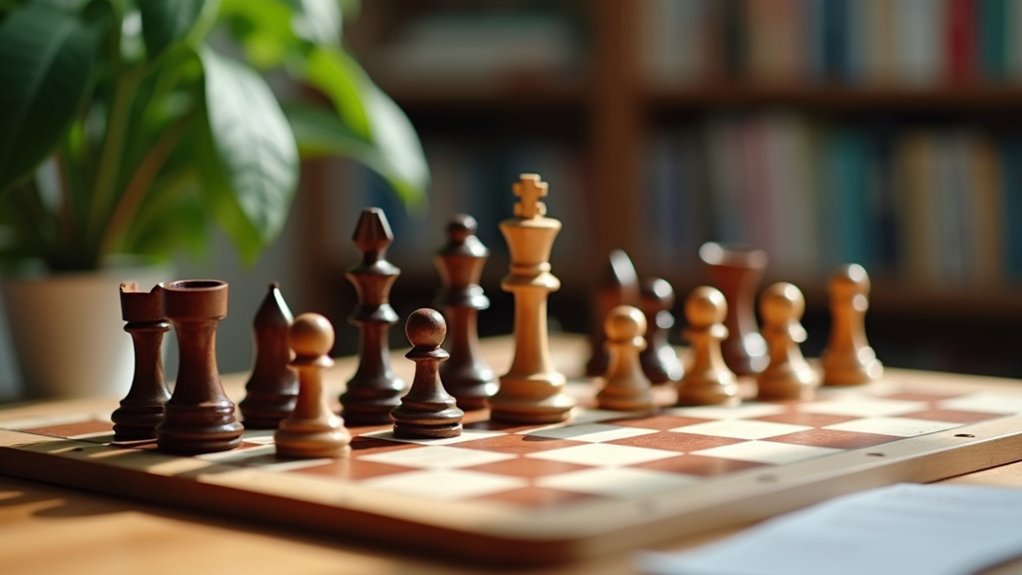
When you play chess, you’re not just having fun; you’re also exercising your brain. Chess requires strategic thinking, which means planning your moves carefully to outsmart your opponent. This helps you learn how to analyze different situations and make decisions based on your opponent’s actions.
Additionally, chess boosts cognitive flexibility. Cognitive flexibility is the ability to adapt your thinking when situations change. In chess, you must adjust your strategy as the game progresses. This skill can improve problem-solving abilities in everyday life. Furthermore, studies have shown that chess players demonstrate increased activity in brain regions associated with planning and analytical reasoning.
Enhancing Critical Thinking Skills
Playing chess enhances your critical thinking skills because it challenges you to evaluate various scenarios. Each move requires strategic reasoning, which means you think ahead about the consequences of your actions. You must weigh your options carefully and consider how your choices affect the game.
Moreover, chess encourages analytical thinking. This involves breaking down complex positions into simpler parts. By analyzing the board, you can spot weaknesses and strengths in both your position and your opponent’s.
This process helps you develop a mindset that’s more effective in problem-solving, making you a better thinker in everyday situations as well. In fact, studies suggest that engaging in chess can lead to improvements in academic performance, particularly in subjects like mathematics and reading comprehension.
Problem-Solving and Decision Making
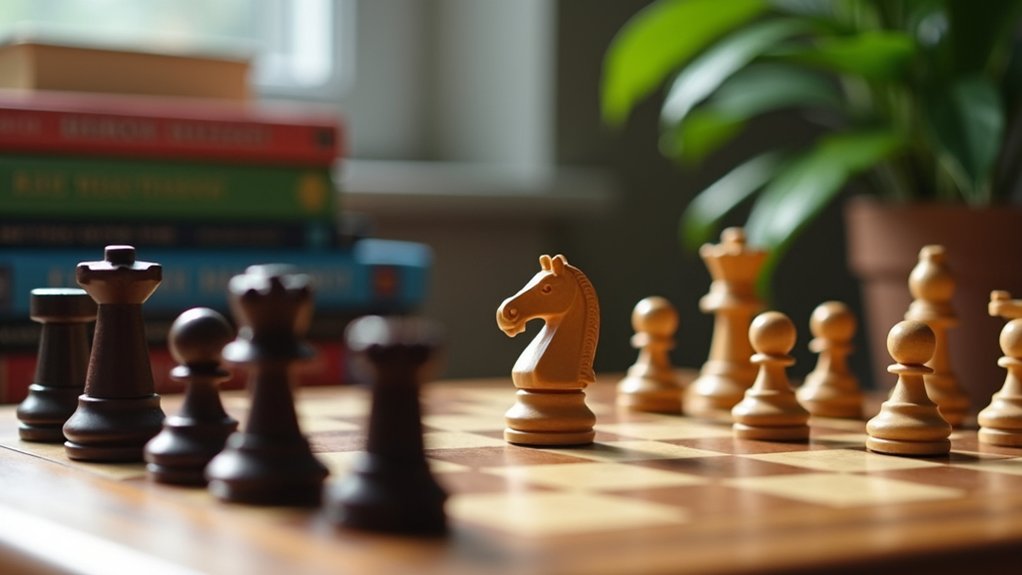
Chess isn’t just a game; it’s a powerful tool for improving problem-solving and decision-making skills. When you play, you develop strategic thinking, which is the ability to plan several moves ahead. This helps you tackle complex situations in real life.
You also enhance analytical reasoning, or the skill of breaking down problems into smaller parts. Each chess move requires you to analyze potential outcomes and make informed choices. Studies have shown that chess players may exhibit strengths in specific intellectual domains, such as memory, pattern recognition, and logical reasoning.
Memory Improvement Through Chess
Improving memory is another significant benefit of playing chess. As you play, you enhance your memory retention, which is the ability to keep information in your mind for longer periods.
Chess requires you to remember various moves and strategies, which strengthens your brain’s memory skills. You also develop pattern recognition, meaning you learn to identify and recall specific board layouts and tactics.
This skill helps you make better decisions during the game. By regularly practicing chess, you train your brain to remember important details, boosting your overall memory capabilities and making you sharper in other areas of life as well. Additionally, employing techniques such as spaced repetition can further enhance your ability to retain complex chess information.
The Impact of Chess on Academic Performance

When students engage in chess, they often see improvements in their academic performance. This game requires critical thinking and problem-solving skills, which can transfer to school subjects.
Chess engagement helps you develop focus and concentration, making it easier to tackle complex assignments.
Additionally, it can boost your academic motivation. When you see success in chess, you may feel more confident in your abilities, leading to better performance in math, reading, and science. Moreover, regular chess play can improve cognitive abilities such as memory and pattern recognition, further enhancing academic outcomes.
FAQs
Can Chess Improve Emotional Intelligence and Social Skills?
Yes, chess can improve your emotional intelligence and social skills. Playing chess helps with empathy development, which is understanding how others feel. This can make you better at relating to your friends.
Moreover, it boosts your communication skills. When you discuss strategies or analyze games, you learn to express your thoughts clearly.
These skills are useful in everyday interactions, allowing you to connect better with people and understand their perspectives more effectively.
What Age Is Best to Start Learning Chess?
The best age to start learning chess is around six to eight years old. At this age, kids can benefit from early exposure to the game, which aids in cognitive development.
They can grasp basic rules and strategies more easily. You should encourage them to practice regularly. This helps improve their thinking skills and problem-solving abilities.
Starting early gives them a solid foundation for enjoying chess throughout their lives.
How Does Online Chess Compare to In-Person Games?
Online chess offers convenience and instant access to opponents. You can play anytime, anywhere, which isn’t always possible with in-person games.
However, online strategies can differ. In person, you read body language, while online, you focus on the board.
Virtual etiquette is important too. Always be respectful and avoid distractions. Follow the rules of the game, and remember to take turns properly.
Both formats enhance your skills, but each has unique features.
Are There Any Negative Effects of Playing Chess?
Playing chess can have negative effects on some players. It may lead to cognitive overload, which means your brain gets too much information at once, making it hard to think clearly. This can happen during long games or intense matches.
Additionally, high stress levels can arise from competition or the pressure to win, affecting your enjoyment of the game. It’s crucial to take breaks and manage your stress to keep playing chess fun and healthy.
Can Playing Chess Help With Other Sports or Activities?
Playing chess can improve your performance in other sports or activities. It enhances strategic thinking, which means planning your moves carefully. This skill helps you make better decisions in various situations.
Additionally, chess offers cognitive benefits, like improved memory and concentration. These enhancements can translate to better focus during sports.
Final Thoughts
To sum up, chess can help you think better. It boosts critical thinking, which means making good choices. Chess also improves problem-solving skills, so you can find solutions more easily. Your memory gets stronger as you remember moves and strategies. Studies show that playing chess can even raise your grades in school. By playing chess regularly, you can develop these skills and become smarter. So, consider playing chess more often to enjoy these benefits.


