
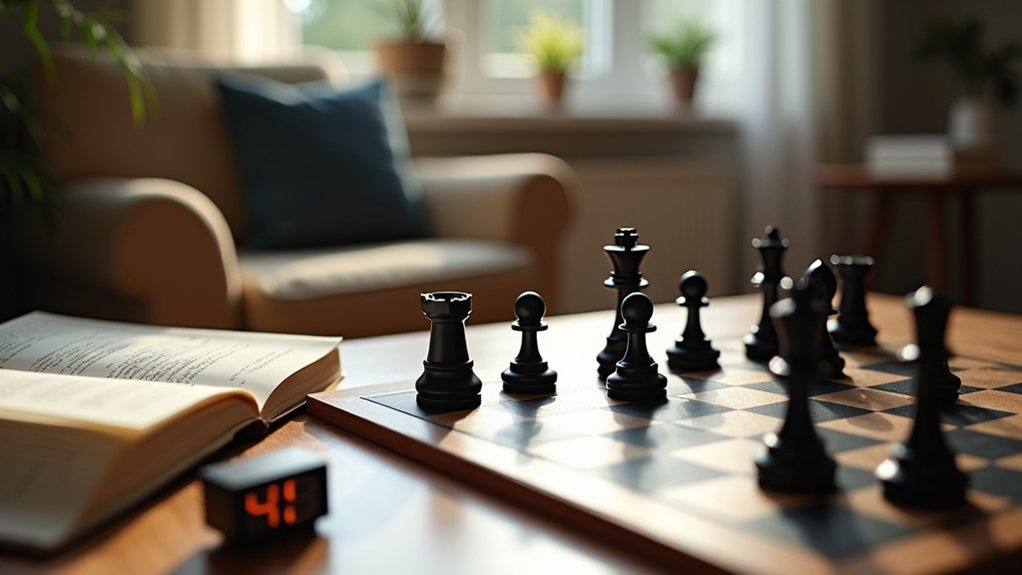
Learning chess properly takes time and effort. If you’re completely new, expect to invest a few weeks to grasp the basics of the game, like piece movements and rules. With regular practice, you can play at a beginner level in a few months. Factors like your previous experience, dedication, and practice habits all influence your learning speed. Focus on setting realistic goals and enjoy the game; there’s much more to explore as you progress.
Understanding the Basics of Chess

Chess is a strategic board game that requires skill and concentration.
To start, you need to understand the chess pieces. Each piece has unique movements: pawns move forward, bishops slide diagonally, rooks travel in straight lines, knights jump in an L-shape, and the queen combines these moves while the king moves one square in any direction.
Next, familiarize yourself with the game rules. Each player takes turns moving one piece, aiming to checkmate the opponent’s king.
Knowing how each piece moves and the basic rules will set a solid foundation for your chess journey. Additionally, mastering key concepts like check and checkmate will enhance your overall gameplay. Practice regularly to improve your skills.
Factors Influencing Learning Time
When learning chess, several factors will influence how long it takes you to become proficient. Your prior experience with similar strategy games can speed up the process. Cognitive abilities, like problem-solving skills, also play a role. The time commitment you dedicate to studying and practicing affects your learning curve. Age factors can influence how quickly you grasp concepts, as younger learners often adapt faster. Additionally, your learning environment, whether it’s a quiet space or a noisy area, impacts focus. Lastly, the complexity of the game, including various strategies and openings, can either challenge or facilitate your progress. Moreover, engaging in chess can lead to enhanced cognitive development as it exercises critical thinking and memory skills.
The Importance of Practice

Practicing regularly is essential for improving your chess skills. Consistent practice helps you understand strategies, openings, and tactics better.
Use various practice techniques, like solving puzzles, playing against opponents, or analyzing your games. These methods can deepen your understanding and boost your confidence. Engaging in self-play techniques can also enhance your strategic thinking and visualization skills.
Aim for a specific practice frequency, such as daily or a few times a week. Even short sessions can be effective if done consistently.
Track your progress to see improvements over time. Remember, the more you practice, the more comfortable you’ll become with different positions and scenarios, making you a stronger chess player overall.
Different Learning Styles
How do you learn best? Understanding your learning style can improve your chess skills.
If you’re a visual learner, use diagrams and videos to grasp strategies.
Auditory learners benefit from listening to lectures or discussions about tactics.
Kinesthetic learners, who learn by doing, should practice moves on a board.
Social learners thrive in group settings, so join a chess club to share tactics and play with others.
Solitary learners prefer studying alone, so read books or watch tutorials at your own pace.
Identifying your style helps you focus on effective methods for mastering chess, making your learning journey more efficient. Additionally, embracing the learning curve of chess can help you stay motivated as you progress through different skill levels.
Setting Realistic Goals

Setting realistic goals is essential for improving your chess skills. Start with goal setting by identifying what you want to achieve. For example, you might aim to learn the basic rules or master specific strategies.
Next, break these larger goals into achievable milestones. Instead of overwhelming yourself with everything at once, focus on one skill at a time.
You could practice for 30 minutes each day or solve five chess puzzles daily. Additionally, consider the benefits of structured lessons to help expedite your learning process and avoid developing bad habits.
Common Mistakes to Avoid
When learning chess, it’s easy to make mistakes that can slow your progress. One common error is making tactical blunders, which are mistakes in short-term calculations that can lead to losing pieces or positions. Always double-check your moves to avoid these pitfalls. Another mistake is strategic oversights, where you neglect long-term plans or fail to take into account your opponent’s strategy. Focus on developing your pieces and controlling the center of the board. Understanding and avoiding tactical errors can significantly improve your game.
Utilizing Resources Effectively
Using resources effectively can greatly improve your chess skills. Start with proper resource allocation. This means using your time and materials wisely.
Focus on effective materials such as books, videos, and online courses. Choose resources that match your skill level. Beginners should look for instructional guides, while advanced players may prefer strategy books. Chess books offer structured learning that can greatly enhance your understanding of the game.
Practice regularly with chess puzzles and games. Use online platforms to play against others. This helps you apply what you learn.
Finally, consider joining a local chess club. Engaging with others will enhance your understanding and provide additional resources. Make the most of what’s available to you.
Tracking Your Progress
How can you effectively track your progress in chess? Start by setting clear goals. These goals can help you measure your improvement over time. Use progress metrics, like your win-loss record or rating changes, to see how you’re doing.
Self-assessment is also key. After each game, reflect on your decisions. Think about what worked and what didn’t. This reflection helps you identify areas for improvement.
Keep a journal of your games and lessons learned. Regularly review this journal to notice patterns in your play. Additionally, consider analyzing grandmaster games to see how top players approach similar positions and decisions, which can provide valuable insights for your own development.
The Role of Coaching and Mentorship
Coaching and mentorship play essential roles in your chess improvement. A coach provides guidance, helping you understand strategies and tactics. They offer feedback on your games, identifying areas that need work. This is one of the key coaching benefits, as it accelerates your learning.
Mentorship roles often involve experienced players sharing their knowledge and experiences. They can motivate you and offer insights that books or videos may not provide. By learning from someone who’s faced similar challenges, you can gain valuable perspectives.
Together, coaching and mentorship create a supportive environment that fosters growth and skill development in chess.
Maintaining Motivation and Enjoyment
Chess can be a challenging game, and staying motivated is key to improving your skills. To keep your interest alive, try enjoyment strategies like setting small goals. Celebrate your progress, whether it’s learning a new tactic or winning a game.
Incorporate motivation techniques, like reviewing your favorite matches or playing with friends. Regularly challenge yourself with puzzles, as they can enhance both skill and fun.
FAQs
Can I Learn Chess Without Any Prior Experience?
Yes, you can learn chess without any prior experience. Start by understanding the chess basics, like how each piece moves and the goal of the game.
Practice regularly to improve your skills. Expect a learning curve, as mastering strategies and tactics takes time. Use online resources or books to guide you.
Play against friends or computers to gain experience. Remember, consistent practice will help you become a better player.
Are There Age Limits for Learning Chess Effectively?
There aren’t strict age limits for learning chess effectively.
Children can start as young as five or six, benefiting from child development stages that support logical thinking.
Your learning style also matters. Some grasp concepts better through visual aids, while others prefer hands-on practice.
Older learners, like teens or adults, can understand strategies quickly due to more developed cognitive skills.
Ultimately, anyone can learn chess, regardless of age.
How Often Should I Play to Improve Quickly?
To improve quickly, you should play chess regularly. Aim for at least three to five times a week. This practice frequency helps reinforce skills and strategies.
In addition, analyze your games afterward to identify mistakes. Improvement strategies also include studying tactics and watching instructional videos.
These methods, combined with consistent play, will enhance your understanding and performance in chess. Stay committed, and you’ll see progress over time.
What Are the Best Chess Apps for Beginners?
To improve your chess skills, consider using popular chess apps. Some great options for beginners include Chess.com, Lichess, and ChessKid.
These apps offer chess app reviews, which help you choose the right one. They provide beginner tips, puzzles, and lessons to strengthen your game.
Play regularly, practice tactics, and analyze your games within these apps. This approach will increase your understanding and enjoyment of chess as you progress.
Can Playing Online Help My Chess Skills?
Yes, playing online can greatly improve your chess skills. You’ll find many online resources that help you practice chess tactics, which are strategies to gain an advantage over your opponent.
Playing against various opponents exposes you to different styles of play. This experience helps you adapt and learn quickly.
Additionally, many platforms offer lessons and puzzles that sharpen your skills. Regular practice online will lead to noticeable improvements in your game.
Final Thoughts
In conclusion, learning chess properly takes time and effort. You need to understand the basics, practice regularly, and set realistic goals. Everyone learns differently, so find a method that works for you. Use resources like books or online lessons, and consider coaching for extra support. Track your progress to see improvements, and remember to stay motivated. Enjoy the game, as this helps you learn faster. With dedication, you can become a skilled chess player.


