

To teach chess to 5-year-olds, start with basic pieces and their moves. Explain the king, queen, rook, bishop, knight, and pawn, using simple terms. Use colorful boards and visual aids to help them understand. Incorporate storytelling; make pieces characters in a fun adventure. Introduce interactive mini-games, like scavenger hunts or matching cards, to reinforce learning. Focus on having fun rather than competition. Celebrate their small victories to keep them motivated. Continue exploring effective strategies for teaching.
Start With the Basics: Pieces and Their Moves
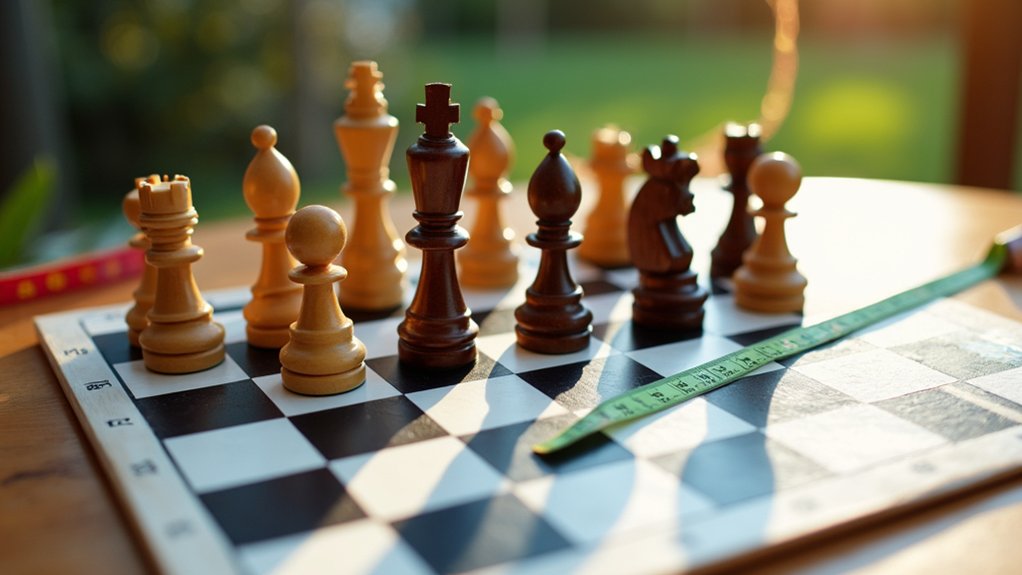
To teach chess effectively, start with the pieces and their moves.
Begin with piece identification: there are six types of pieces—king, queen, rook, bishop, knight, and pawn. Explain that each piece moves differently.
For move explanation, show how the king moves one square in any direction, while the queen moves any number of squares. The rook moves vertically or horizontally, and the bishop moves diagonally.
Knights jump in an L-shape, and pawns move forward one square but capture diagonally.
Ensure they understand how each piece operates, as this foundation is essential for playing the game. Additionally, introducing basic strategy concepts early on can help them develop a sense of how to use their pieces effectively in play.
Use Visual Aids and Games
Using visual aids and games can make learning chess more engaging for 5-year-olds. Start with colorful boards that attract their attention. You can find or create boards with bright colors and fun designs. These boards help kids visualize the game better.
Incorporate chess illustrations showing each piece and its movements. This aids in understanding how pieces work together.
Introduce games that focus on specific skills, like piece recognition or basic strategies. Use fun challenges, like timed matches or puzzles, to keep them excited. Additionally, introducing them to the concept of strategic concepts can enhance their understanding of how to play effectively as they progress.
Incorporate Storytelling Into Lessons

While teaching chess to 5-year-olds, incorporating storytelling into lessons can make the game more relatable and memorable.
You can create chess adventures that involve the pieces as characters. For example, describe the rook as a brave castle guard protecting the kingdom, while the knight can be a daring horseman on a quest.
Assign character roles to the children, letting them act out the story as they play. This helps them understand each piece’s movement and purpose. Additionally, using consistent independent practice can further enhance their learning experience and retention of the game’s concepts.
Make It Interactive With Mini-Games
Mini-games can make learning chess fun and engaging for 5-year-olds. One great activity is a chess scavenger hunt. Hide chess pieces around the room, and give your child clues to find them. This helps them learn piece names and functions while moving around.
Another game is piece matching. Create a set of cards with chess pieces on them. Your child can match the cards to the actual pieces on the board. This reinforces their understanding of each piece’s movement and role in the game.
Incorporating these interactive elements not only keeps your child active and interested in learning chess fundamentals but also promotes critical thinking skills that are essential for their development.
Focus on Fun, Not Competition
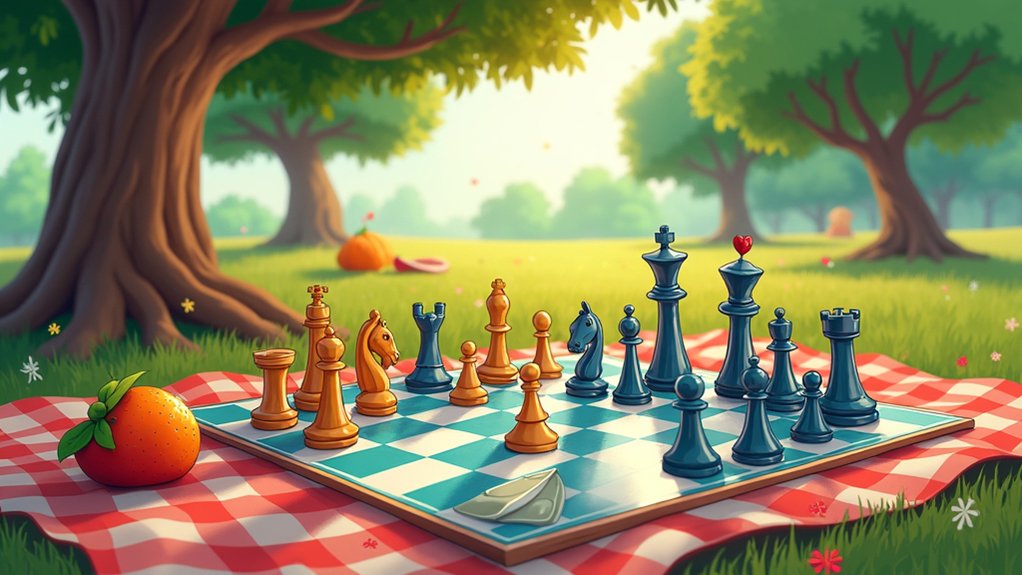
When teaching chess to 5-year-olds, keeping the atmosphere light and enjoyable is important. Focus on fun, not competition.
Emphasize team play, where kids can work together to solve problems. This approach fosters cooperative learning, making chess a shared experience.
Encourage children to celebrate each other’s successes, reinforcing a positive environment. Use playful scenarios instead of strict rules to maintain their interest.
Allow them to explore different strategies without the pressure of winning. This way, they’ll develop a love for the game, learning valuable skills like patience and critical thinking while enjoying their time on the chessboard. Additionally, engaging in chess can enhance problem-solving skills, which are crucial for their overall cognitive development.
Set Up a Chess Routine
To create an effective chess routine for 5-year-olds, start by setting specific days and times for practice. A consistent chess schedule helps them know when to expect lessons, making learning feel more structured.
Choose short sessions—about 15 to 20 minutes—so they stay engaged. Include fun activities, like puzzles or games, to keep their interest high. Introducing them to basic concepts like how each piece moves can also enhance their understanding and enjoyment of the game.
Regular practice has routine benefits, such as improved focus and memory. Make adjustments based on their progress and interest levels.
Celebrate Small Victories and Progress
Celebrating small victories and progress is essential for young chess players. When your child makes a good move or understands a new rule, acknowledge it. Use encouragement techniques like verbal praise or high-fives to reinforce their efforts.
Implementing reward systems can also motivate them. Consider small rewards, like stickers or extra playing time, for achieving specific goals, such as winning a game or completing a practice session. This approach helps build confidence and makes chess more enjoyable. Remember, every small step in learning contributes to their overall growth in the game, so keep celebrating those milestones together. Additionally, teaching them basic checkmate patterns early on can give them a sense of achievement and understanding of the game’s objectives.
FAQs
What Age Is Ideal to Start Teaching Chess to Children?
The ideal age to start teaching chess is around 5 to 7 years old. At this age, children’s cognitive development allows them to grasp basic concepts and rules.
They can develop early skills like critical thinking and problem-solving. Begin with simple lessons, focusing on how pieces move and the objective of the game.
As they progress, introduce more complex strategies. This gradual approach helps maintain their interest and reinforces their understanding.
How Long Should Each Chess Lesson Be for Young Kids?
When planning chess lessons for young kids, consider their attention span. Generally, a lesson duration of 15 to 30 minutes works best. This keeps them engaged and focused without overwhelming them.
During this time, introduce basic concepts, like piece movements or simple strategies. If they start losing interest, take a break or switch activities. Keeping lessons short helps maintain their enthusiasm, making it easier for them to learn effectively.
What Materials Are Best for Teaching Chess to 5-Year-Olds?
To teach chess effectively, you’ll need a few essential materials. Start with a standard chess board, which has eight rows and eight columns for placing pieces.
Use teaching aids like chess piece diagrams and simple guides that explain moves and rules clearly. Visual aids help young kids grasp concepts better.
You can also consider colorful, themed chess sets to keep their interest. These materials will create an engaging learning environment for your lessons.
How Can I Keep My Child Engaged During Lessons?
To keep your child engaged during lessons, use interactive games. These games can make learning fun and keep their attention.
You can also incorporate storytelling techniques. For example, create a story around the chess pieces, giving them personalities and missions. This helps your child relate to the game.
Break the lessons into short segments, and encourage questions. Make sure to praise their efforts to boost their confidence and interest in chess.
Are There Any Online Resources for Teaching Chess to Beginners?
Yes, there are several online resources for teaching chess to beginners. You can explore online chess platforms like Chess.com or Lichess.org. These sites offer tutorials, puzzles, and games against others.
Interactive chess apps, such as ChessKid and PlayMagnus, make learning fun and engaging. They provide lessons tailored for beginners, helping you understand the rules and strategies.
Using these resources, you can practice at your own pace and build confidence in your chess skills.
Final Thoughts
Teaching chess to 5-year-olds can be enjoyable and effective. Start with the basics, like piece names and how they move. Use visual aids, games, and storytelling to keep lessons engaging. Incorporate mini-games to encourage interaction, and always prioritize fun over competition. Establish a regular chess routine to promote learning. Remember to celebrate small victories to build confidence. By following these steps, you can create a positive environment for young learners to develop their chess skills.


